














Wisdom teeth: everything you need to know
When to remove them and what the extraction involves.
Wisdom teeth
Also known as third molars, wisdom teeth are the last teeth to come in. They usually appear between the ages of 17 and 25, which often coincides with the transition to adulthood. However, these teeth can sometimes cause problems and need to be extracted. In this article, we explore everything you need to know about wisdom teeth, including how they erupt, potential problems, and when to consider an extraction.
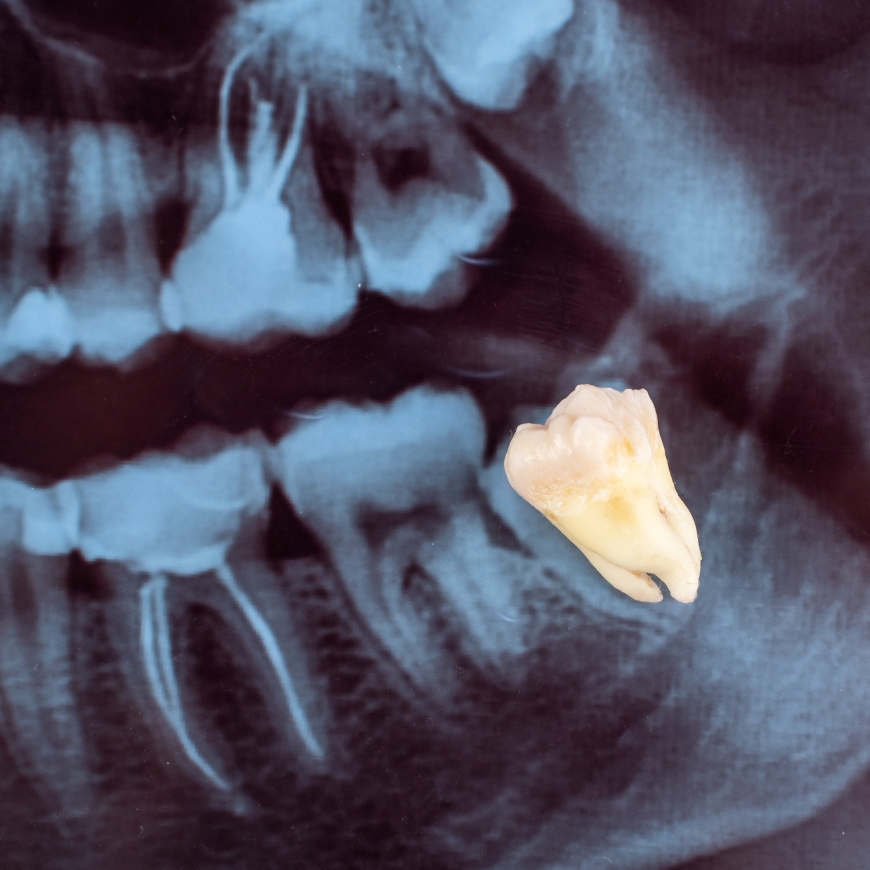
The eruption of wisdom teeth
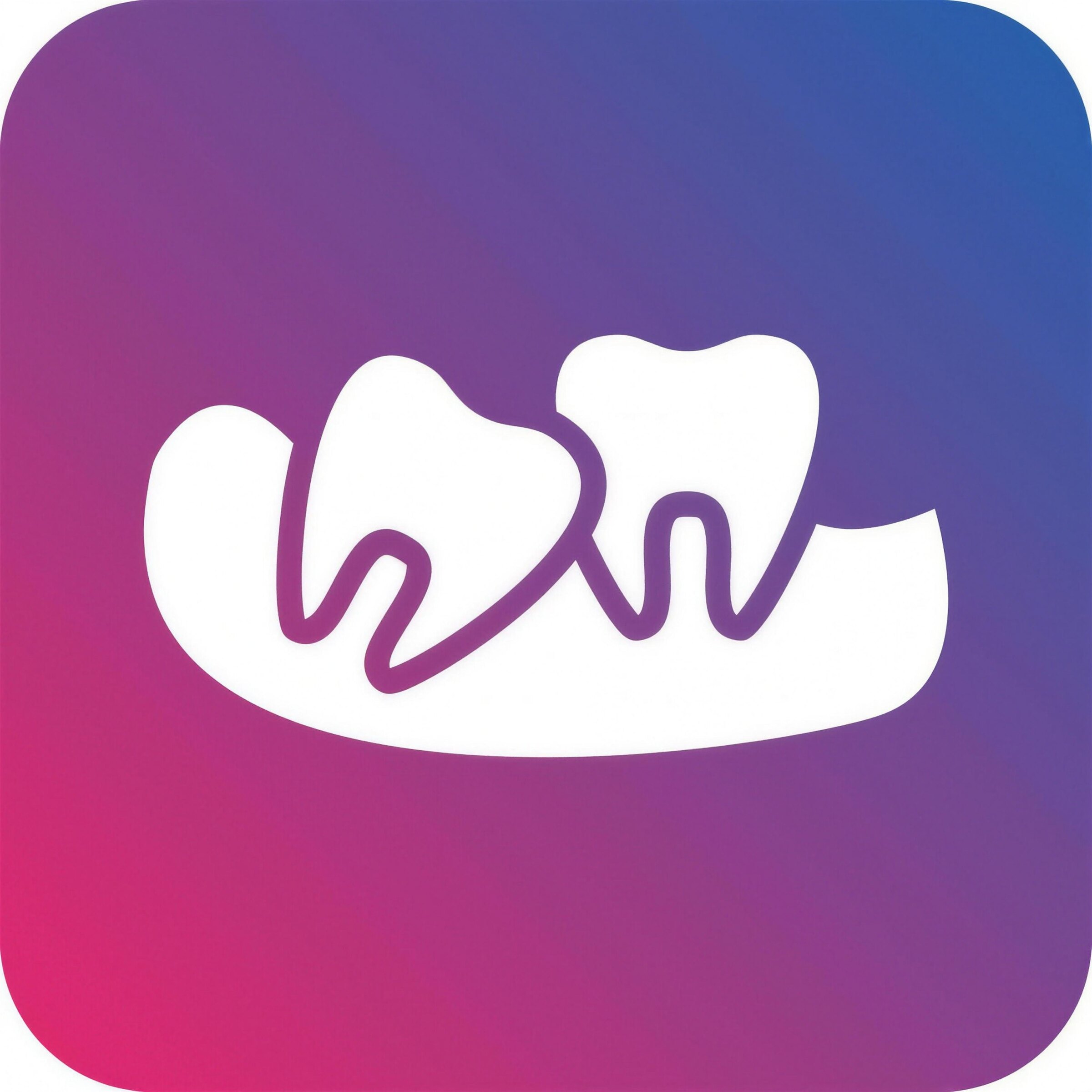
Wisdom teeth, also known as third molars, grow in at the back of the mouth, one in each quadrant. It’s important to note that the eruption process can vary from person to person. Contrary to a common misconception, not all wisdom teeth are painful when they come in.
Common signs that your wisdom teeth may be coming in include:
- Pain and discomfort: Some people feel pain in the back of the jaw as their wisdom teeth get ready to come in. However, it’s important to note that not all wisdom tooth eruptions are painful, and some people may not feel any noticeable discomfort.
- Swelling and inflammation: Some people may experience swelling of the gums around the area where the wisdom tooth is coming in.
Possible problems
While some people’s wisdom teeth come in without any trouble, others experience complications. Here are some of the common problems associated with wisdom teeth:
- Impaction: Wisdom teeth are often impacted, meaning they don’t have enough room to come in properly. This can lead to pain, infection and problems with the neighboring teeth.
- Infections: Partially erupted wisdom teeth can create spaces where food debris and bacteria build up, leading to gum infections known as pericoronitis.
- Shifting of neighboring teeth: Crowded wisdom teeth can put pressure on the other teeth, causing them to shift out of place.
- Cavities: Because of their location at the back of the mouth, wisdom teeth are often hard to reach for proper cleaning. This makes them more prone to cavities, especially if good oral hygiene isn’t maintained.
- Root resorption of adjacent teeth: Erupting wisdom teeth can put pressure on neighboring teeth, which may cause the roots of the adjacent teeth to resorb.
Wisdom tooth cysts
Wisdom teeth can sometimes be associated with the formation of cysts. Cysts are fluid-filled sacs that form around the developing tooth. They can cause severe pain and swelling, as well as damage to the surrounding bone structures.
Conclusion
Wisdom teeth are a normal part of human dentition, but they can sometimes cause problems. If you experience pain, inflammation or other unusual symptoms around your wisdom teeth, it’s important to see your dentist. They can assess the situation and recommend the appropriate treatment, whether that’s an extraction or other measures to relieve your symptoms.
Taking care of your wisdom teeth is essential for keeping your mouth healthy and avoiding long-term complications. Don’t hesitate to ask your dentist about the best way to manage your wisdom teeth and keep your smile bright.



Book an appointment
We give you the flexibility to schedule an appointment however you prefer, whether by calling us directly or using our online booking system.