















Do you really need to floss? What the science says and what we recommend
What the science says and what we recommend.
Dental floss: gimmick or essential habit for your teeth?
The dental floss is one of the classic oral hygiene recommendations, just like brushing twice a day. Yet, let’s be honest, how many of us really use it every night? 🤔 Flossing seems tedious, sometimes it makes your gums bleed a little, and you wonder whether it’s truly necessary or just “for show.” In this article, we’ll look at what scientific studies say about the usefulness of dental floss and other interdental cleaning tools. Then we’ll share our practical advice as dentists on whether, and how, to make flossing part of your routine. Spoiler : chances are you’ll be convinced to start (or restart) flossing after reading this, but without any needless guilt, we promise!
What’s happening between your teeth?
Regular toothbrushing (with a manual or electric brush) does a great job cleaning the exposed surfaces of your teeth, but it struggles to reach the sides between two teeth (called interdental surfaces). And that’s exactly where food debris and bacterial plaque tend to build up. If they’re never cleaned, two main problems can develop:
- – Interdental cavities : plaque bacteria turn leftover sugars into acid, which attacks the enamel. Between two teeth, a cavity can grow without being visible until it’s already well advanced (it’s often discovered on an X-ray or when the tooth breaks…).
- – Gum inflammation (localized gingivitis): plaque between the teeth irritates the gums, which start to bleed and swell. Over time, this can progress to periodontitis (gum recession) if the plaque is never removed.
Using dental floss or an interdental brush removes exactly this hidden plaque and prevents these problems. Floss slides between the teeth and dislodges debris stuck to those side surfaces, as well as along the gumline.
What does science say about how effective flossing is?
Several studies and reviews have looked into the question “brushing with or with no flossing: is there a difference?” The findings agree: yes, there is a benefit, especially for gum health. A Cochrane meta-analysis concluded that brushing + flossing reduces signs of gingivitis (gum inflammation) compared with brushing alone. However, the impact on the amount of dental plaque was less clear (some studies showed a slight improvement, others didn’t). Put simply: even if you still see a little plaque, your gums are better off. And we know that healthy gums are the foundation of a healthy mouth over the long term.
Another interesting fact: in adult patients today, cavities mostly develop between the teeth (because the biting surfaces are protected by fluoride, etc.). So if there’s one preventive habit you’re missing to avoid cavities, it’s clearly interdental cleaning.
Floss isn’t the only tool: interdental brushes (small cylindrical brushes) are also very effective, sometimes even more than floss for wider gaps or for people with gum recession. What matters is to clean between your teeth, whatever tool you use.
Why don’t more people do it?
Let’s be realistic: despite the clear benefits, only a minority of people floss every day. Why?
- Lack of time or motivation : adding 2–3 minutes in the evening can feel like a chore when you’re rushed or tired.
- Awkward technique : at first, it can hurt a little, your fingers get tangled, your gums bleed… Not very encouraging.
- No immediately “visible” results : unlike brushing, which leaves a fresh feeling, flossing doesn’t bring any obvious change you can feel (except when you remove a big stuck piece of food – then you’re happy!). As a result, it’s easy to underestimate its importance.
- Gaps in education : many people simply were never taught or encouraged to do it. If your dentist has never shown you, it’s not something you necessarily think about.
Skipping floss isn’t a disaster in itself in the short term, but it’s a bonus that people who really want to optimize their oral hygiene are missing out on. Let’s see how to make it easier.
Our tips for getting (back) into it without the hassle
- Start gradually : if the idea of doing it every day puts you off, set yourself a realistic goal such as 2 or 3 times a week. That’s already much better than zero. And often, once the habit is in place, you’ll naturally do it more often.
- Pick the right moment : bedtime is ideal, but if you’re too wiped out in the evening, you can do it at another quiet time of day (for example, flossing in front of the TV after dinner). What matters is doing it on clean teeth once a day.
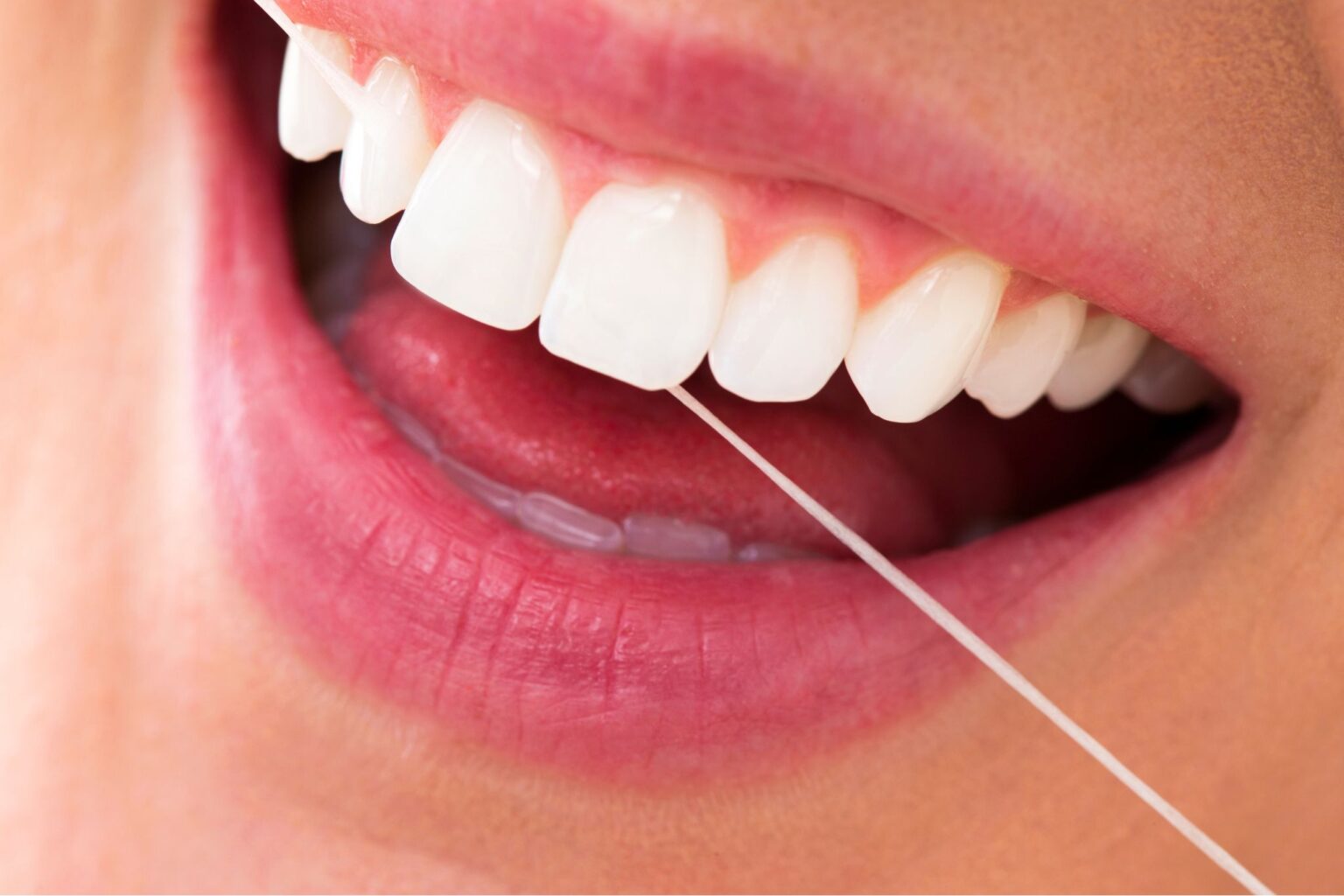
- Learn the right technique : ask your dentist or dental hygienist to show you. Basically, you slide the floss between two teeth, wrap it in a C shape around one tooth, and glide it from the gum toward the tip of the tooth, then do the same on the other side. Use each section of floss for only one space (so you don’t move plaque elsewhere). It takes a little practice, but once you’ve mastered it, it’s quick.
- If regular floss bothers you, try interdental brushes : they come in all sizes. For molars especially, a brush can be more practical than floss. Your dentist can tell you which size is right for you. You simply slide it between the teeth like a tiny bottle brush, without forcing it if it gets stuck (you need the right size).
- What about a water flosser? Water flossers such as Waterpik send a jet of water between the teeth to dislodge plaque. It’s not as mechanically effective as floss or interdental brushes, but studies show reduced gingivitis in their users too. So if floss and brushes really don’t work for you, a water flosser is better than nothing. Or use it in addition, if you’re especially motivated.
- Don’t get discouraged by a little blood : if your gums bleed when you floss, it’s often a sign they’re inflamed by accumulated plaque… which means you were right to floss! After a few days of regular flossing, the bleeding will decrease and then stop, a sign that your gums are healthy again. If they bleed, keep going gently instead of giving up – it’s like a muscle getting back into exercise: it gets better afterward.
The benefits you’ll enjoy
By adding interdental cleaning to your routine, you will:
- Drastically reduce your risk of cavities between your teeth. No more unpleasant surprises on your dentist’s checkup X-rays (“ah, a hidden cavity here…”).
- Have healthier gums : less bleeding when you brush, no bad breath caused by forgotten plaque, and a lower risk of periodontitis over the long term.
- Extend the lifespan of your fillings and crowns : decay often comes back at the edges of old fillings, especially between the teeth. Flossing helps clean thoroughly around them and keeps an old restoration from failing because of secondary decay.
- Save money : That’s right – fewer cavities and gum problems mean fewer visits for costly treatments. A pack of floss for a few francs is peanuts compared with a filling or a deep cleaning under anesthesia…
And then there’s the feeling once you’re used to it: your teeth feel genuinely cleaner once you’ve removed that little piece of stuck lettuce or that invisible film. Run your tongue between your teeth, and they’ll feel perfectly smooth side by side.
Conclusion: a small habit with big effects
So, do you really need to floss ? Science and clinical experience say yes, for anyone who wants to keep their teeth and gums in great shape for life. Is it a disaster if you don’t do it every day? Of course not – not everyone ends up losing their teeth. But it’s a bonus that’s easy to put into practice and can spare you a lot of trouble.
Our practical recommendation: make a habit of flossing or using interdental brushes at least a few times a week, especially in areas you know are at risk (if your dentist often tells you “cavities between this tooth and that one”). Daily, in the evening, is still ideal.
Come on, let’s give it a try tonight! Grab your favorite floss and take 3 minutes to pamper those spaces your toothbrush never sees. Your teeth will thank you – and so will your dentist, when they notice your progress at your next checkup 😉.




Book an appointment
We give you the flexibility to schedule an appointment however you prefer, whether by calling us directly or using our online booking system.