















Tooth decay despite good brushing – why it happens and how to prevent it
Why it still happens, and how to prevent it.
When cavities show up despite good hygiene
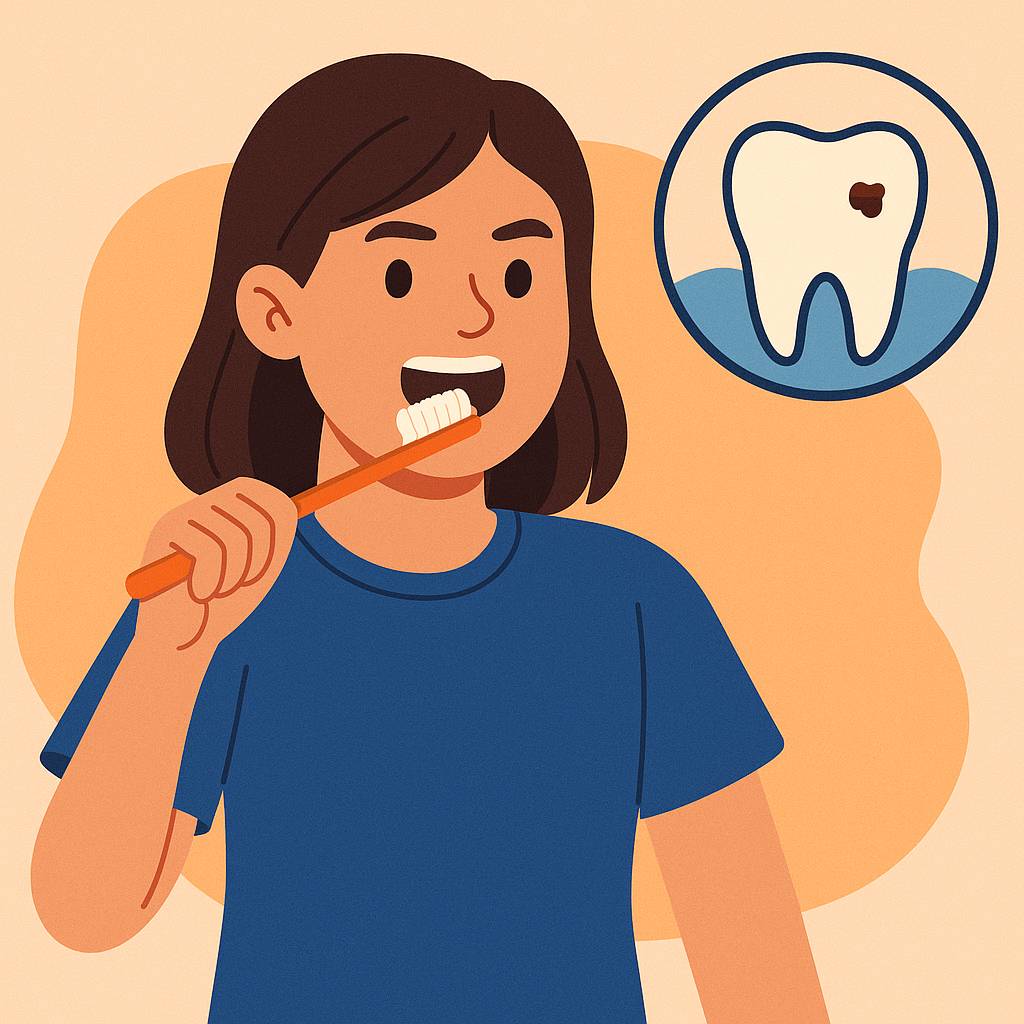
You brush your teeth conscientiously twice a day, you think you’re doing everything right, and yet… at your last visit to the dentist in Geneva, you’re told you have a cavity. It’s frustrating, a bit like finding a scratch on your new car despite all your precautions. Rest assured, you’re not alone. Even with thorough brushing, it’s possible to develop cavities. Let’s look at why this happens, which factors may be involved and, above all, what practical solutions exist to keep your smile healthy.
Effective brushing, but not enough: the forgotten areas
Regular brushing is essential, but it doesn’t always guarantee cavity-free teeth. In fact, a toothbrush can only clean about 60% of your tooth surfaces, leaving 40% of hard-to-reach surfaces uncleaned. These forgotten areas are mainly the spaces between teeth and the deep grooves on the molars. Cavity-causing bacteria love to settle there and form dental plaque.
Why are these areas a problem? Toothbrush bristles can’t reach the spaces between teeth or the bottom of the grooves. So even with careful brushing, food debris and bacterial plaque can build up there. And plaque contains bacteria that turn sugars into acids that attack tooth enamel. Over time, these acid attacks create carious lesions in those hard-to-reach spots.
Solution: go beyond brushing. To remove plaque from areas the toothbrush can’t clean, it’s recommended to use dental floss or interdental brushes every evening. This simple habit removes plaque between the teeth and greatly reduces the risk of cavities forming between two teeth. You can also use a fluoride or antibacterial mouthwash as a complement, if your dentist recommends it. At the clinic, preventive sealing of deep grooves can be performed for children or at-risk adults to keep bacteria from getting in.
Sugary or acidic foods: the hidden enemy
You can brush perfectly, but if your diet is working against you, your teeth may pay the price. Frequent consumption of sugar (sodas, candy, sugary snacks) feeds plaque bacteria, which then produce more acid. Likewise, highly acidic foods (citrus fruits, energy drinks, vinegar) can weaken enamel. The problem isn’t just the amount of sugar, but the frequency of intake: snacking all day keeps the mouth in an almost constantly acidic state, which prevents saliva from remineralizing the enamel.
Why isn’t even good brushing enough? Because if you eat or drink something sugary between brushings, your teeth suffer repeated acid attacks. Brushing removes existing plaque, but it doesn’t provide lasting protection against the new acids produced after each sugary snack. For example, if you drink a soda at 4 p.m. and don’t brush your teeth until bedtime, bacteria will have had several hours to attack your enamel.
Solution: adopt healthy eating habits. To protect your teeth:
- Limit how often you have sweets and sugary drinks. Try to enjoy them with meals rather than between them, since the extra saliva produced during meals helps neutralize acids.
- Rinse your mouth with water after eating or drinking something sugary or acidic if you can’t brush right away.
- Avoid constant snacking. Choose healthy snacks (fresh fruit, unsweetened nuts, cheese), which are less likely to cause cavities.
- In the evening, after brushing, don’t eat or drink anything sugary or acidic, so the fluoride in your toothpaste can work all night long.
Dry mouth: when saliva is in short supply
The latest saliva is a natural ally against cavities. It neutralizes acids and supplies minerals (calcium, phosphates, fluoride) that help remineralize enamel after an acid attack. If your mouth is often dry (for example, because of certain medications, stress, or simply not drinking enough water), your teeth lose this natural protection.
Without enough saliva, the pH in your mouth stays acidic for longer and enamel demineralizes more. Saliva also helps “wash” the mouth by dislodging food debris. Less saliva means more plaque sitting on your teeth.
Solution: stimulate and preserve saliva. A few tips:
- Drink water regularly throughout the day to keep your mouth hydrated.
- Chew gum sugar-free for 10 minutes after meals to stimulate saliva production (choose one containing xylitol, a sweetener that is good for your teeth).
- Avoid harsh alcohol-based mouthwashes, which can dry out your mouth.
- If your dry mouth is severe (Sjögren’s syndrome, medication side effects), talk to your dentist. They may recommend saliva substitutes or a fluoride gel to protect your teeth, along with more frequent check-ups.
Fragile enamel and individual factors
Everyone is different when it comes to cavities. Some people have more fragile tooth enamel by nature. Genetic factors can influence the thickness and composition of enamel, as well as the quality of saliva. Thinner or less mineralized enamel is less resistant to acid attacks and decays more easily. So even with excellent hygiene, these people will tend to get more cavities than someone with very resistant enamel.
Other individual factors can also come into play:
- Tooth shape : teeth with very deep grooves or crowding are harder to clean.
- Medical history : chronic gastroesophageal reflux can regularly bathe the teeth in acid, promoting cavities despite brushing.
- Age : in older adults, receding gums expose the roots of the teeth (which are not covered by enamel and are therefore more vulnerable to root cavities).
Solution: strengthen enamel and adapt your follow-up care. If you know or suspect that your teeth are more fragile, take extra precautions:
- Use a fluoride toothpaste (1500 ppm fluoride for adults) and, if appropriate, a fluoride mouth rinse in the evening to strengthen your enamel day after day.
- Talk to your dentist: preventive treatments are available, such as in-office fluoride varnish applications or remineralization sessions.
- Have your teeth checked more often (for example, twice a year instead of once) so any cavities can be treated as soon as they appear, before they get worse. Early detection is your best ally.
Why dental visits matter
Even with exemplary efforts at home, nothing replaces regular follow-up at a dental clinic. Your dentist and their team can detect early cavities that are invisible to the naked eye or painless, thanks to a careful examination and X-rays. A professional cleaning (scaling) removes tartar and residual plaque from hard-to-reach areas, and should be done at least once or twice a year.
During your appointment, feel free to discuss your brushing technique. The dentist or dental hygienist can show you the right techniques and tools (choosing a soft brush, the Bass or circular technique, using interdental brushes…). This personalized advice will help you optimize your hygiene routine.
Finally, additional preventive measures can be offered to patients who get frequent cavities despite good brushing:
- Sealing the grooves on molars to prevent cavities from forming in these natural pits.
- In-office applications of concentrated fluoride or specific antibacterial gels.
- A dietary review and tailored advice (for example, if you often drink sodas, finding less cavity-causing alternatives).
Conclusion: Keep smiling, armed with knowledge
In short, getting a cavity despite diligent brushing isn’t so surprising once you understand the many factors involved. Perfect hygiene isn’t everything: diet, saliva, cleaning technique, and the natural vulnerability of your teeth all play a major role. The good news is that once you identify these factors, you can do something about them.
Keep brushing your teeth carefully, but don’t forget the extra habits (flossing, a balanced diet, check-ups). Your Aura dental clinic in Geneva is here to support you, give you personalized advice, and treat small cavities before they become big ones. With this knowledge and a proactive approach, you’ll give yourself every chance of keeping cavities from crashing the party!




Book an appointment
We give you the flexibility to schedule an appointment however you prefer, whether by calling us directly or using our online booking system.