















Ultra-white teeth and veneers done abroad – the trend, the risks, and our advice
The trend, the risks, and our advice.
The quest for an ultra-bright smile
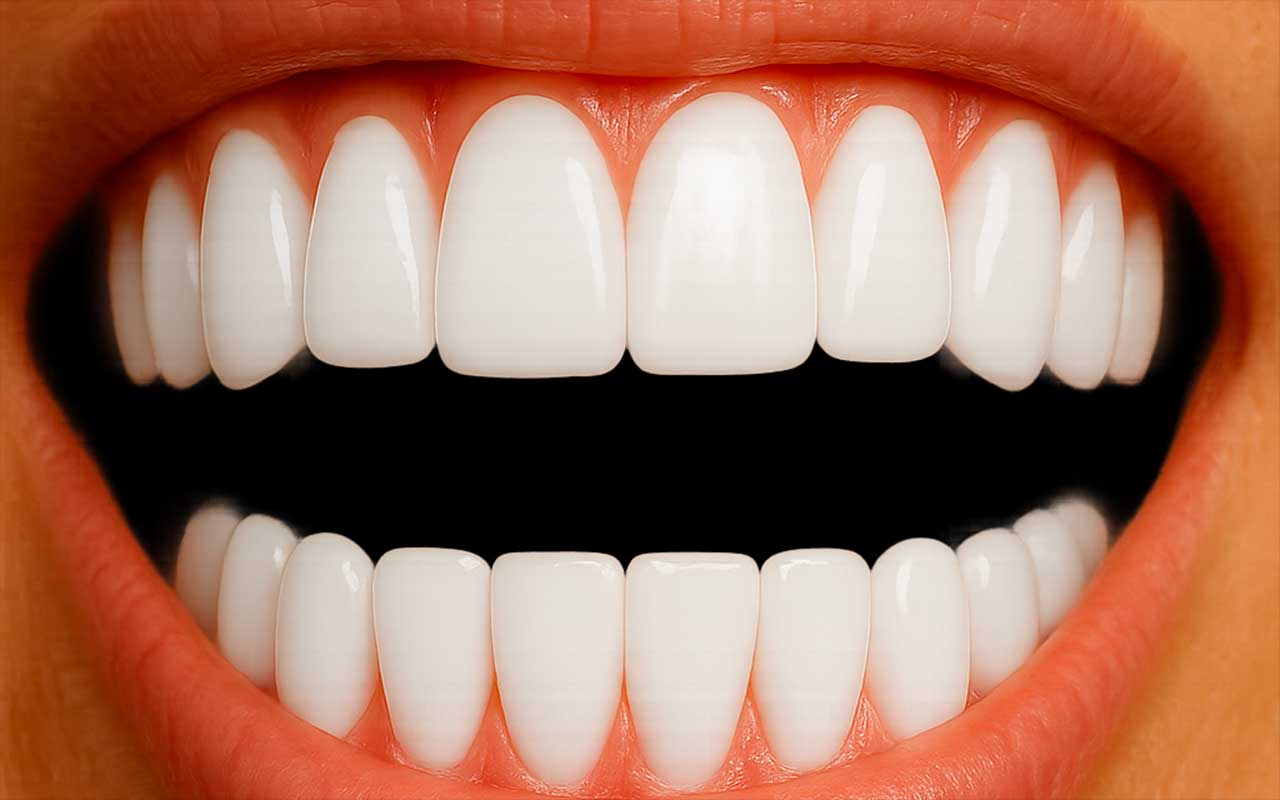
Lately, dazzling, almost unnaturally white smiles are everywhere – on social media, on reality TV, and among some celebrities. Having ultra-white teeth has become a sign of beauty and success for many people. To achieve this “Hollywood smile,” some don’t hesitate to turn to dental veneers or crowns, and even to travel abroad (to Turkey, for example) to have them placed at a lower cost. The “Turkey teeth” phenomenon has made plenty of headlines: thousands of Europeans, especially Britons, travel to Turkey to have their entire smile redone. So is this just a harmless cosmetic craze, or a real danger to dental health? Let’s take a closer look at a trend that sets many teeth on edge.
The “Turkey teeth” phenomenon and the Hollywood smile
The dream of a perfectly white, straight smile is nothing new, but social media has taken it to unprecedented levels. On TikTok, the hashtag #turkeyteeth has racked up hundreds of millions of views. Influencers show off their dental trips the way you would show off a luxury vacation, returning with a brand-new smile. Why Turkey? Mainly because of the cost : cosmetic treatments there are much cheaper than in Switzerland or France. In addition, Turkish dental clinics market aggressively to international patients, promising a “celebrity smile” in record time.
So what does it actually involve? Most of the time, patients get either ceramic veneers, or ceramic crowns on almost all of their visible teeth (incisors, canines, premolars, and sometimes molars). The idea is to replace the natural appearance of the tooth with a new, perfectly white and often more even artificial surface. For veneers, the front of the tooth is lightly reshaped (or not at all in the case of ultra-thin veneers), and then a thin ceramic shell is bonded onto it. With crowns, on the other hand, the tooth has to be reduced all the way around, far more aggressively (about 60 to 70% of the tooth structure is ground away). Needless to say, this is irreversible. These techniques were originally designed to correct problems (badly damaged or poorly positioned teeth, etc.) or to restore decayed teeth. Here, however, they are being used for purely cosmetic purposes, often on teeth that were healthy to begin with.
The appeal of these uniform “smiles” also comes from the fact that many people compare their teeth to digitally retouched ones or to celebrities’ veneers. We forget that natural teeth are not a uniform, opaque white. By chasing a “paper” white at all costs, you risk an artificial-looking result: as some cosmetic dentists put it, if it’s too white, the human brain senses that “something is off.” Ultra-white, identical teeth can even look fake at first glance – quite ironic when you’ve invested so much in your smile. What’s more, an overly bright white may clash with your complexion or your age and draw attention away from the rest of your face. In short, whiter than white doesn’t necessarily mean more beautiful.
Dental veneers abroad: perceived benefits vs. reality
Why are so many people tempted by these treatments abroad?
- The attractive price : This is the number one factor. A full cosmetic makeover (more than ten teeth covered with veneers or crowns) costs a small fortune in Switzerland. In Turkey, Hungary, or elsewhere, the advertised fees are unbeatable – sometimes 2 to 3 times cheaper, even including travel.
- Speed : After just a few days there, the patient goes home with a transformed smile. Clinics often organize everything as a turnkey package (driver, hotel, interpreter) for hassle-free “dental tourism.” The idea of improving your smile while on vacation is appealing.
- Marketing and the trend effect : Seeing influencers, or even people you know, proudly showing off their veneers creates a bandwagon effect. You think, “Why not me?” Testimonials (sometimes sponsored) are reassuring, and many people don’t realize the difference between a veneer and a crown, or the real consequences for their teeth.
- The reality behind the dream : The quality of the materials used can vary. Communication about what was actually done isn’t always transparent (patients are told they’re getting veneers, but in many cases crowns have been placed on heavily ground-down teeth). And most worrying of all: there is no long-term follow-up by the practitioner who performed the treatment. Once you’re back in Geneva, if a problem arises, you’ll need to find a local dentist to deal with it – which isn’t always easy, especially if the work is judged to be poor quality or difficult to redo.
The risks and complications of a “low-cost” smile
Having healthy teeth ground down for cosmetic reasons inevitably carries risks. Here are the main problems seen with the trend of getting veneers abroad:
- Invasive treatment and medical consequences : As mentioned, heavily reducing healthy teeth to place crowns or veneers is an aggressive practice. Many patients end up with devitalized teeth after these treatments (the nerve dies because of the grinding) and need root canal treatment. What’s more, crowns and veneers have a limited lifespan (they need to be replaced every 10 to 15 years). This means repeated new procedures on teeth that are already weakened. Over time, some teeth may no longer withstand these successive replacements and have to be extracted (requiring implants or dentures).
- Sometimes disappointing cosmetic results : Paradoxically, a smile that is too white or too “perfect” can look fake or lack harmony. An opaque white that doesn’t match your complexion or the natural brightness of your eyes can look artificial. Some people end up with a smile that draws the wrong kind of attention, or that they are ultimately not happy with.
- Lack of follow-up and guarantees : If a problem arises once you’re back home, getting follow-up care is difficult. A local dentist may be reluctant to work on treatment done elsewhere. Enforcing a guarantee from a distance is complicated, and going back abroad is costly. Many patients are left on their own with pain or complications (infections, a veneer coming loose, etc.) and no obvious solution.
Our advice for a bright smile, safely
Before giving in to the temptation of “everything, right now” at a low price, take the time to think it over and get informed:
- See a trusted local dentist : Explain what bothers you about your smile (color, shape, alignment). There are often less invasive solutions to improve things. For example, professional whitening, cosmetic direct composites, or light orthodontic treatment may be enough to make you happy, without compromising the integrity of your teeth.
- Be wary of offers that sound too good to be true : A quote that seems incredibly low should set off alarm bells. What materials will be used? How experienced is the practitioner? Is there any follow-up? Don’t hesitate to ask specific questions. A good professional, whether in Geneva or elsewhere, will make sure you understand and give your informed consent.
- Choose to preserve your natural teeth : Modern cosmetic dentistry aims to be as conservative as possible. Veneers without excessive preparation (or “no-prep” veneers) are preferable to crowns when the case allows. Sometimes, simple cosmetic composites (resin bonded to the tooth) can correct small flaws in shape or shade in a reversible, affordable way.
- Choose a natural shade : If you whiten your teeth or get veneers, a good practitioner will guide you toward a shade that is white, of course, but suited to you. The “Chiclet” effect (teeth as white as a fresh piece of chewing gum) is not the most tasteful look. A slightly pearly white that matches the white of your eyes, for example, looks more natural.
- Plan for future maintenance : Ask yourself whether you are ready to take on the future commitments (wearing a protective night guard if you grind your teeth, meticulous cleaning, replacing the restorations in 10 years, etc.). A beautiful smile is a marathon, not a summer sprint.
Ultimately, a slightly less white but healthy smile is better than an ultra-white smile achieved at the cost of irreversible sacrifices. The health of your teeth should always come before pure aesthetics. And don’t forget: you may think your teeth are too yellow or too small, but the people around you often find them just fine as they are – we tend to be much more critical of ourselves.
Conclusion: beauty and dental health – finding the right balance
The trend of getting veneers abroad reminds us that when it comes to aesthetics, excess is never far away. Of course, everyone wants a beautiful, confident smile. But it shouldn’t come at the expense of our teeth. Before making a drastic decision, get informed, weigh the pros and cons, and consult professionals who care about the health of your smile as much as its appearance.
At Aura Geneva, we favor a personalized, conservative approach to cosmetic dentistry. Our dentists will give you honest advice about what is possible or not recommended, and offer you safe treatments – whether whitening, veneers done to the highest standards, or other alternatives. Our goal is for you to smile wide, proud of your teeth… and of their good health!




Book an appointment
We give you the flexibility to schedule an appointment however you prefer, whether by calling us directly or using our online booking system.